QSC RESEARCH GRADE
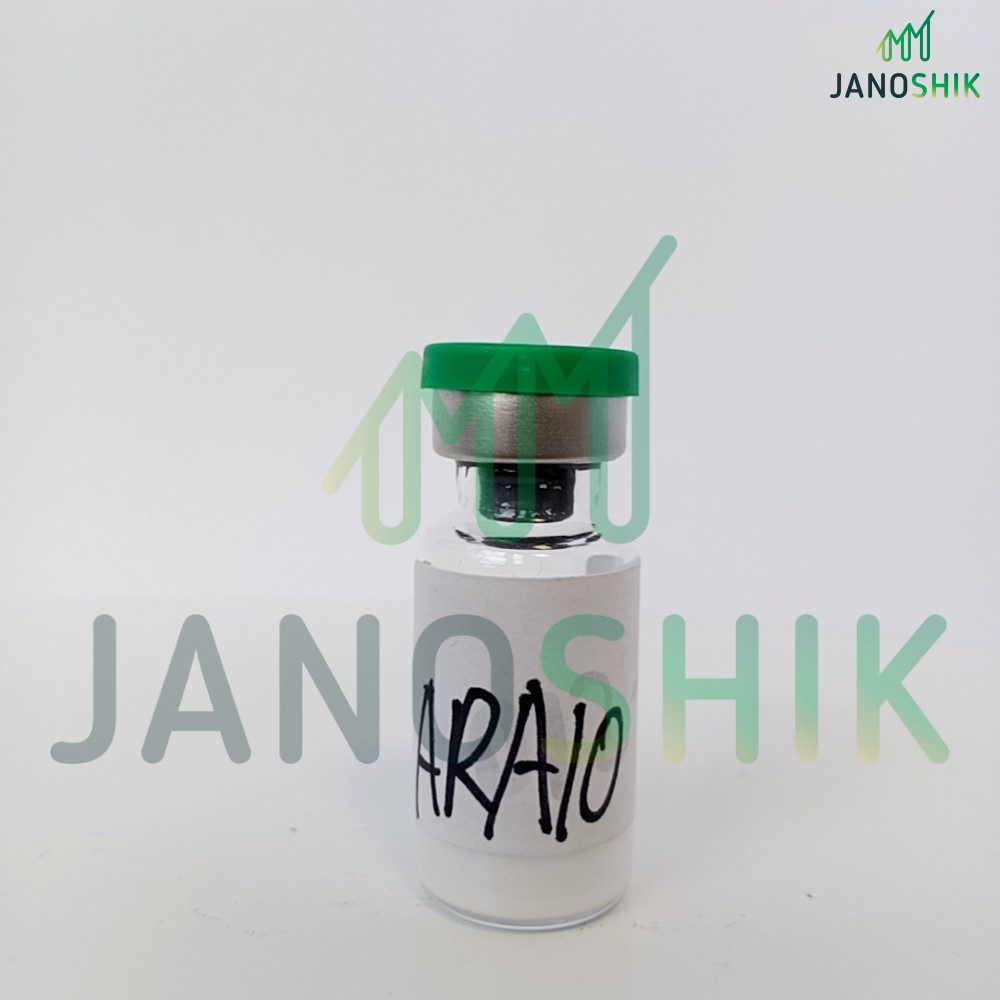
≥99% HPLC PurityMS ConfirmedJanoshik COAIn-House SPPS8-Region Domestic Shipping
What is ARA-290?
ARA-290 (Cibinetide) is an 11-amino acid synthetic peptide derived from the helix B surface peptide (HBSP) of erythropoietin (EPO). Unlike EPO itself, ARA-290 selectively activates the innate repair receptor (IRR) — a heterodimeric complex of the EPO receptor and the beta common receptor (βcR) — without engaging the classical homodimeric EPO receptor responsible for erythropoiesis. This separation of tissue-protective signalling from haematopoietic activity makes ARA-290 a focused research tool for studying EPO’s non-erythroid cytoprotective and anti-inflammatory properties.
Research Applications
Neuropathic Pain Research
ARA-290 has been studied in small-fibre neuropathy models. Phase 2 RCT data in sarcoidosis-associated small-fibre neuropathy (SFN) showed significant reductions in corneal nerve fibre density loss and pain scores (NRS). IRR-mediated axonal regeneration and Schwann cell protection are proposed mechanisms.
Metabolic / Insulin Sensitivity Research
In T2DM models, ARA-290 activates IRR on pancreatic beta cells, improving insulin secretion and reducing inflammatory beta cell apoptosis. Studies in db/db mice and human islet preparations show enhanced glucose-stimulated insulin secretion and reduced IL-1β-mediated toxicity.
Anti-Inflammatory / Tissue Protection
IRR activation suppresses NF-κB signalling and reduces macrophage-mediated inflammatory cytokines (TNF-α, IL-6, IL-1β). Studied in ischaemia-reperfusion injury, acute kidney injury, and inflammatory bowel models. Cytoprotective effects observed without EPO’s erythropoietic side effects.
Cardiac / Ischaemia Research
IRR is expressed on cardiomyocytes. ARA-290 has been investigated in myocardial ischaemia-reperfusion models for its capacity to reduce infarct size and cardiomyocyte apoptosis. Proposed to act via Akt/PI3K and JAK2/STAT5 signalling without inducing erythrocytosis.
Mechanism of Action
ARA-290 binds the IRR (a heterodimer of EPO receptor subunit + βcR subunit), triggering a distinct intracellular signalling cascade from classical EPO. Downstream activates PI3K/Akt (cell survival), JAK2/STAT3 (anti-apoptotic gene expression), and MAPK/ERK (cell proliferation) pathways. Critically, does not activate the EPOR homodimer, so does not stimulate erythropoiesis, haemoglobin synthesis, or platelet aggregation risk associated with exogenous EPO administration.
Key Research Data
| Phase 2 RCT (Sarcoidosis SFN) | N=55; ARA-290 4mg SC × 28 days vs placebo. Primary endpoint: corneal nerve fibre density (CNFD). Result: significant CNFD preservation + pain NRS reduction (p<0.05) |
| Pancreatic islet study | Human islets treated with IL-1β + IFN-γ; ARA-290 rescued GSIS, reduced apoptosis markers (caspase-3), reduced TNF-α secretion |
| Rodent ischaemia model | ARA-290 SC pre-treatment reduced renal tubular injury scores 40-60% vs vehicle in I/R models (rat) |
| Selectivity vs EPO | No haematopoietic effect confirmed across multiple studies: haematocrit, haemoglobin, reticulocyte count unchanged at research doses |
Quick Specs
| Compound | ARA-290 (Cibinetide) |
| Sequence | QEQLERALNSS (11 amino acids, helix B surface peptide of EPO) |
| Molecular Formula | C₅₄H₈₈N₁₄O₁₉ |
| Molecular Weight | ~1,277.4 Da |
| CAS Number | 866395-18-8 |
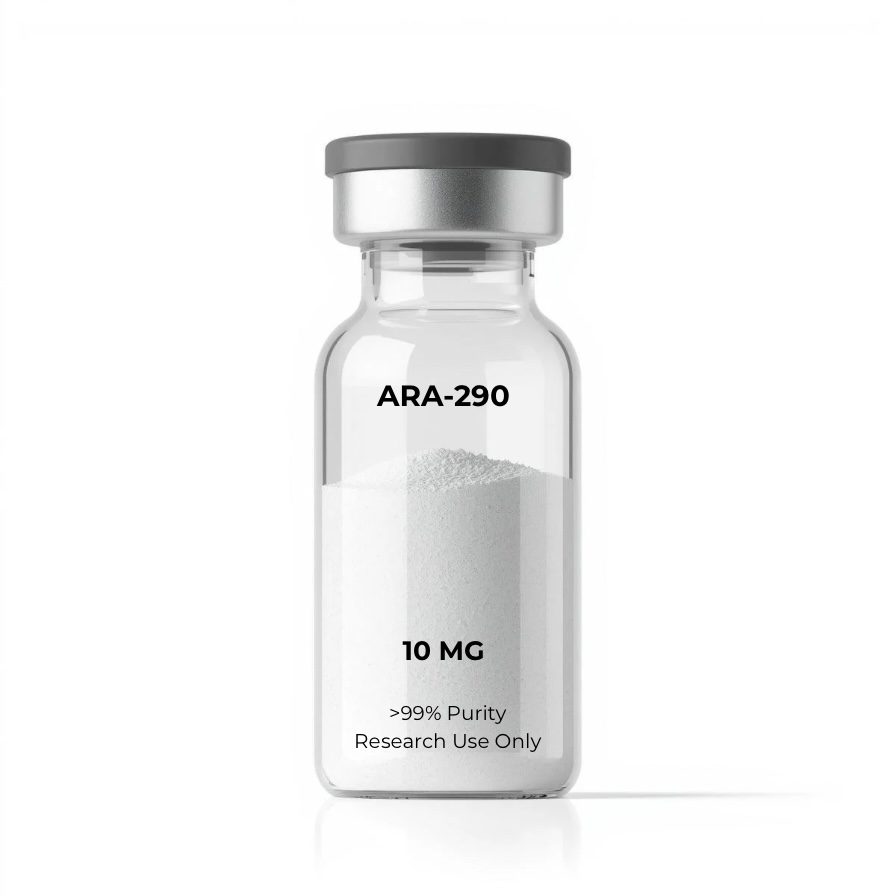
| Format | Lyophilised white powder |
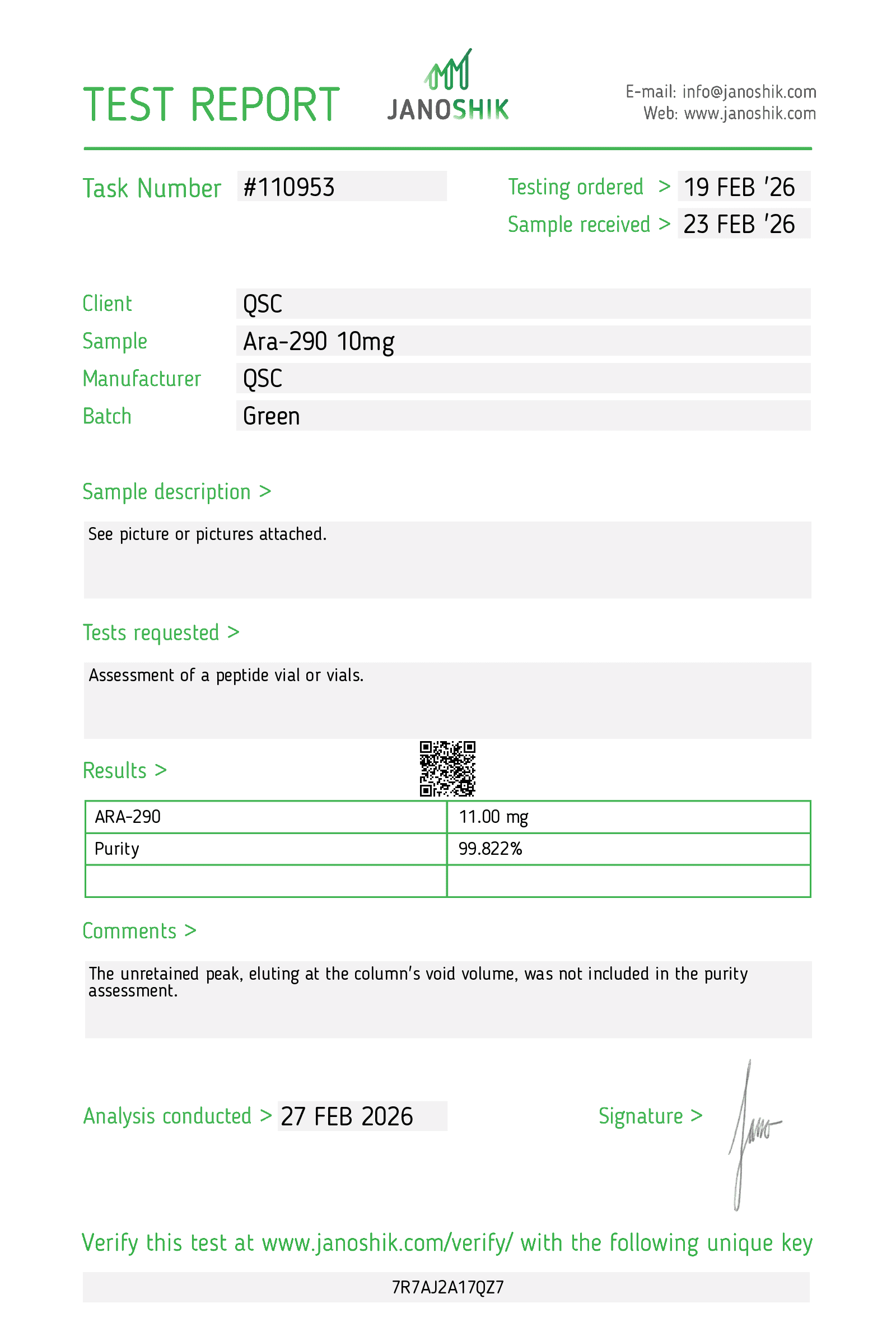
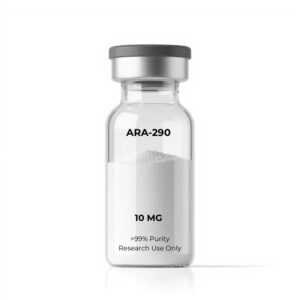
| Vial content | 10mg per vial |
| Purity | ≥99% HPLC |
| Identity | MS confirmed |
| Storage | −20°C lyophilised; 4°C reconstituted, use within 7 days |
| Reconstitution | Bacteriostatic water or 0.9% NaCl |